Snake in the yard in Columbia, SC: safe next steps
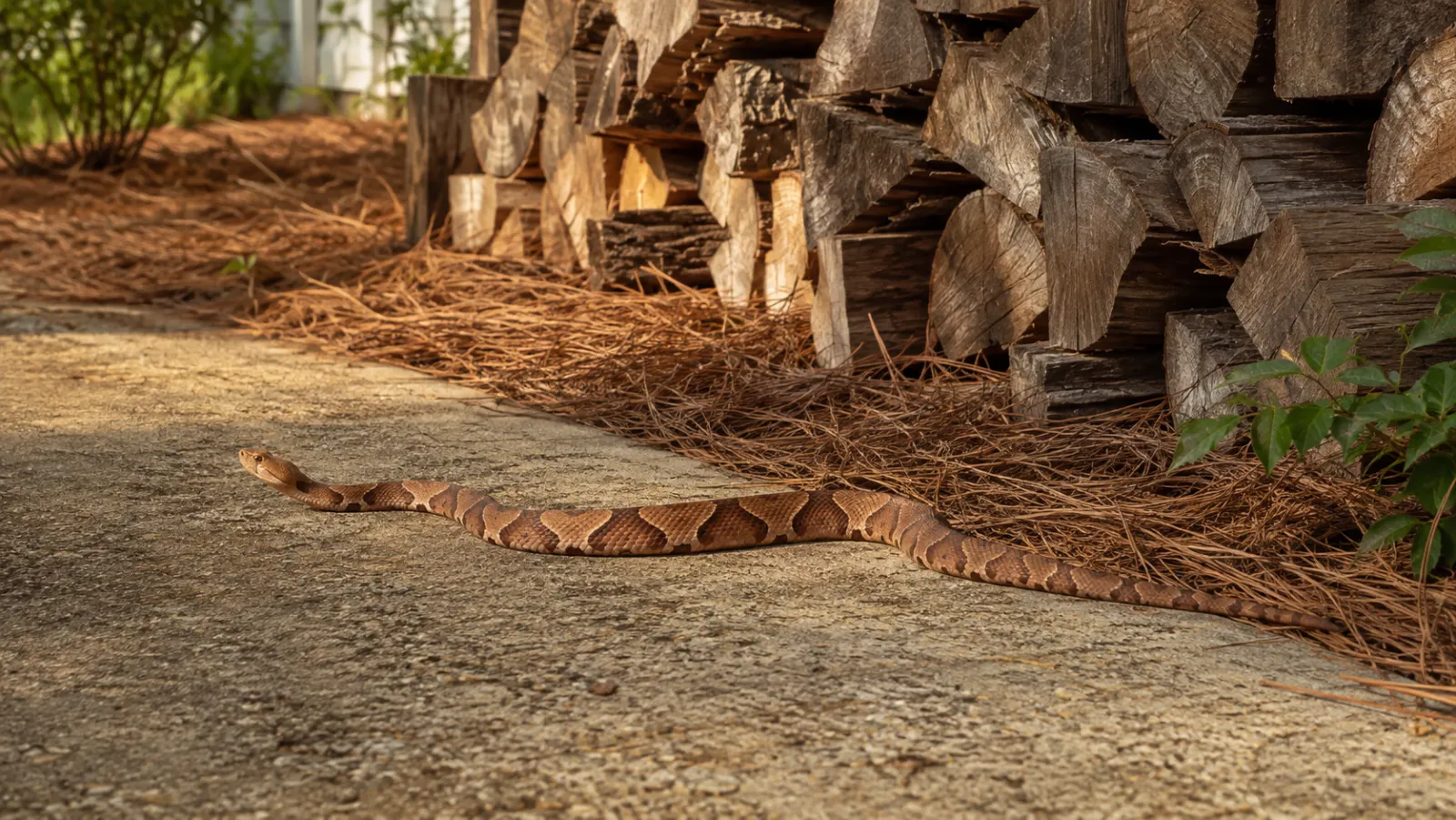
Found a snake in your Columbia yard? Step back, get the kids and the dog inside, and take a photo from at least six feet away. That covers the next ten minutes. The rest of this page covers what that snake probably is, why it picked your yard, what you can fix yourself this weekend, and the point where it stops being a DIY job.
On this page
What to do in the first ten minutes with a snake in your yard
A snake in a Columbia yard needs distance, not a shovel. Most bites in the Carolinas happen to people who tried to kill or move the snake, so the single most useful thing you can do is nothing heroic. Back off to about six feet, which is well past the strike range of anything that lives here. Bring pets and children in. Take a photo, zoom instead of stepping closer, and note where the snake goes.
That is it. Nine times out of ten the snake is passing through, and it will leave faster once the yard goes quiet.
What a snake you ignore can look like by October
A snake you shrug off in a Columbia yard is usually fine, but it is worth knowing what the bad version looks like, because the bad version is ordinary. Picture a warm evening in late September. You step off the back porch barefoot to turn off the sprinkler, and the pine straw bed along the steps is exactly where a copperhead has been lying since the afternoon, patterned like dead oak leaves and perfectly still. Copperheads freeze rather than flee. You find out it is there when your foot does.
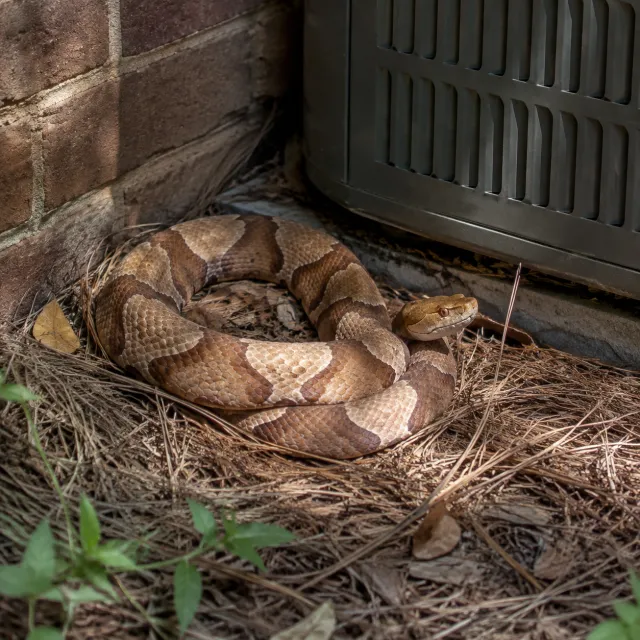
Or it is the dog. Dogs investigate with their noses, so the bite lands on the muzzle, and within the hour the face is swelling and you are driving to the emergency vet on a Saturday night. And the timing matters right now: SCDNR notes that copperheads in South Carolina give birth in late summer and early fall, and the University of Georgia's Savannah River Ecology Lab describes newborns as pencil-sized with a sulfur yellow tail tip. Venomous from day one. A copperhead that has been hanging around your mulch all summer may not be the only one there by October. Copperhead bites are rarely fatal for healthy adults. They are painful, they swell badly, and they end in a hospital.
Which snake is in your Columbia yard, most likely
The snake in your Columbia yard is most likely harmless, and if it is venomous, it is most likely a copperhead. SCDNR counts 38 snake species in South Carolina and only six venomous ones: copperhead, cottonmouth, timber (canebrake) rattlesnake, eastern diamondback, pigmy rattlesnake and eastern coral snake. SCDNR calls the copperhead the state's most common venomous snake, and Clemson's Home and Garden Information Center notes it accounts for most bites in the Carolinas.
Use this as a rough first read from your photo, not as permission to get closer:
| What you see | Likely snake | What to do |
|---|---|---|
| Copper and tan bands shaped like an hourglass, thick body, wide head | Copperhead (venomous) | Keep everyone away, watch where it goes, call if it stays near the house |
| Small banded snake with a bright yellow tail tip, late summer or fall | Baby copperhead (venomous) | Same as an adult; expect there may be more nearby |
| Long, glossy black, very fast, heads straight for cover | Black racer (harmless) | Let it go; it eats rodents and other snakes |
| Black or gray with a white chin, climbs trees and siding | Rat snake (harmless) | Leave it, but look for the mice that brought it |
| Thick, dark snake near a pond or creek, mouth opened wide and white | Possible cottonmouth (venomous) | Back away and call; do not test the identification |
The harmless ones, rat snakes, racers, kingsnakes and garter snakes, are the majority of what Columbia homeowners actually see, and they earn their keep. A kingsnake eats copperheads. If your snake removal question turns out to be "is this black snake a problem?", the answer is usually no.
What you can do yourself to make the yard less interesting
Snake-proofing a Columbia yard is mostly about taking away food and cover, and homeowners can do most of it with a rake and an afternoon. Snakes follow mice. Mice follow shelter and spilled seed. Break that chain and the snakes go back to the woods behind the subdivision.
- Pull pine straw and mulch back from the foundation. A foot of bare ground or gravel along the house takes away the favorite copperhead ambush spot in the Midlands.
- Move the woodpile. Get it up off the ground on a rack and well away from the house.
- Fix the mouse buffet. Bird seed under the feeder, dog food on the porch, open trash. Clean it up and the rodents thin out, and so do the snakes.
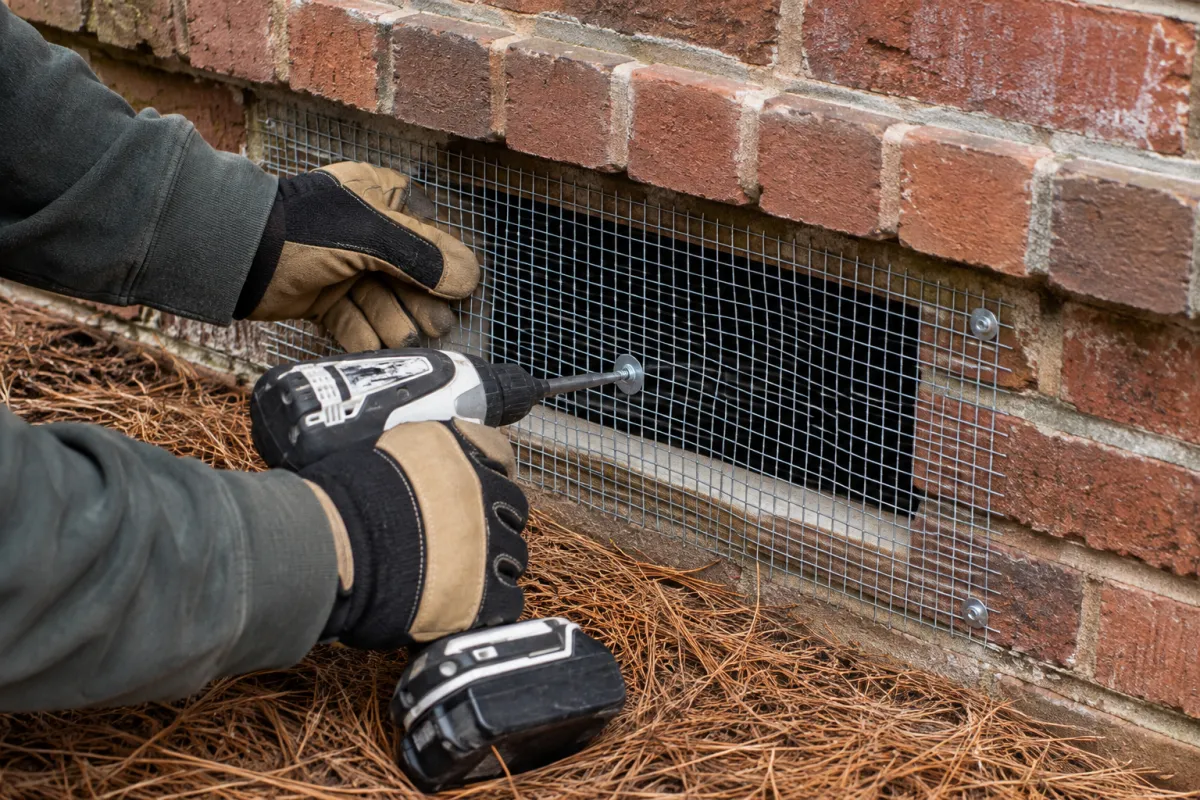
- Screen the crawl space. Quarter-inch hardware cloth over torn vents and a door sweep on the garage keep a snake from moving in under your floor.
- Carry a flashlight after dark from April through October. In a Columbia summer snakes move at dusk and at night, which is exactly when you walk out to the grill.
Skip the snake repellent granules and the mothballs. Nothing in that aisle has good evidence behind it, and a permitted operator will tell you the same.
When DIY is not enough: five signs to call
A snake problem is beyond DIY when the snake is inside, venomous and staying, or coming back. These are the honest signs:
- The snake is in the house, garage or crawl space. Finding it behind the water heater or under the floor is a search job, and searching blind is where hands get bitten.
- It is venomous, or you cannot tell, and it will not leave a spot where kids, pets or you have to walk.
- You keep seeing snakes, more than one, or shed skins near the foundation. That means the yard or the crawl space is feeding and sheltering them.
- Small banded snakes in late summer or fall. Several baby copperheads in one bed means you want the area checked, not raked.
- Someone in the house is high risk: a toddler, an elderly parent, a dog that will not leave it alone.
If anyone has already been bitten, that is a 911 call, not a wildlife call.
The sensible next step: get the snake handled
If your yard matched any of those five signs, the calm move is to hand it off. Call (833) 246-4378 and we connect you with a licensed local provider holding an SCDNR Wildlife Control Operator permit for the Columbia area. Tell them where the snake is right now and mention any kids or pets. You get a price and the earliest window they can offer, with no obligation to book. Same-day and 24/7 emergency services are subject to provider participation, location, technician availability, and demand. Availability is not guaranteed and may vary by market and appointment capacity. Typical market ranges for a single snake run roughly $150 to $350, more for a crawl-space search, as a guide and not a quote; the full breakdown is on the services and cost page.
Here is the reassuring part. Snakes do not want your yard, they want the mice in it and a cool place to lie. Take those away and most Columbia homeowners go years between sightings. And if the mice turn out to be the bigger story, or you are hearing something heavier over the ceiling, the raccoon in the attic guide and the rest of the Columbia guides pick up from there.
Snake in the yard: questions we hear on the phone
Will a snake in my yard leave on its own?
Usually, yes. A snake crossing a Columbia lawn is almost always passing through, and most will move off within an hour if you keep people and pets away from it. The ones that stay are the ones that found food and cover, which means mice and a pine straw bed or woodpile against the house. If you keep seeing a snake in the same spot, the yard is the reason, and that is the part worth fixing.
Are baby copperheads more dangerous than adults?
No, that one is a myth, but baby copperheads are still venomous from birth. In South Carolina most are born from late August into early October, and a newborn is about the size of a pencil with a bright sulfur yellow tail tip, according to SCDNR and the University of Georgia's Savannah River Ecology Lab. Their size makes them easy to miss in mulch, which is the real risk. Treat any small banded snake as a copperhead until you know otherwise.
Do snake repellents or mothballs keep snakes out of a yard?
No product sold at the hardware store has good evidence behind it. What actually keeps snakes away from a Columbia house is removing what they came for: the mice, the cover close to the foundation, and the gaps into the crawl space. Mothballs in pine straw mostly make your yard smell like a closet.
What should I do if a snake bites my dog?
Get the dog to a vet right away, even if the bite looks small, and keep the dog as calm and still as you can on the way. Dogs usually get bitten on the face or front legs while investigating, and the swelling can come on fast. Do not cut the bite, apply ice or use a tourniquet. If a person is bitten, call 911 first, because CDC advice is to get medical help without waiting for symptoms.