Snake removal in Columbia, South Carolina
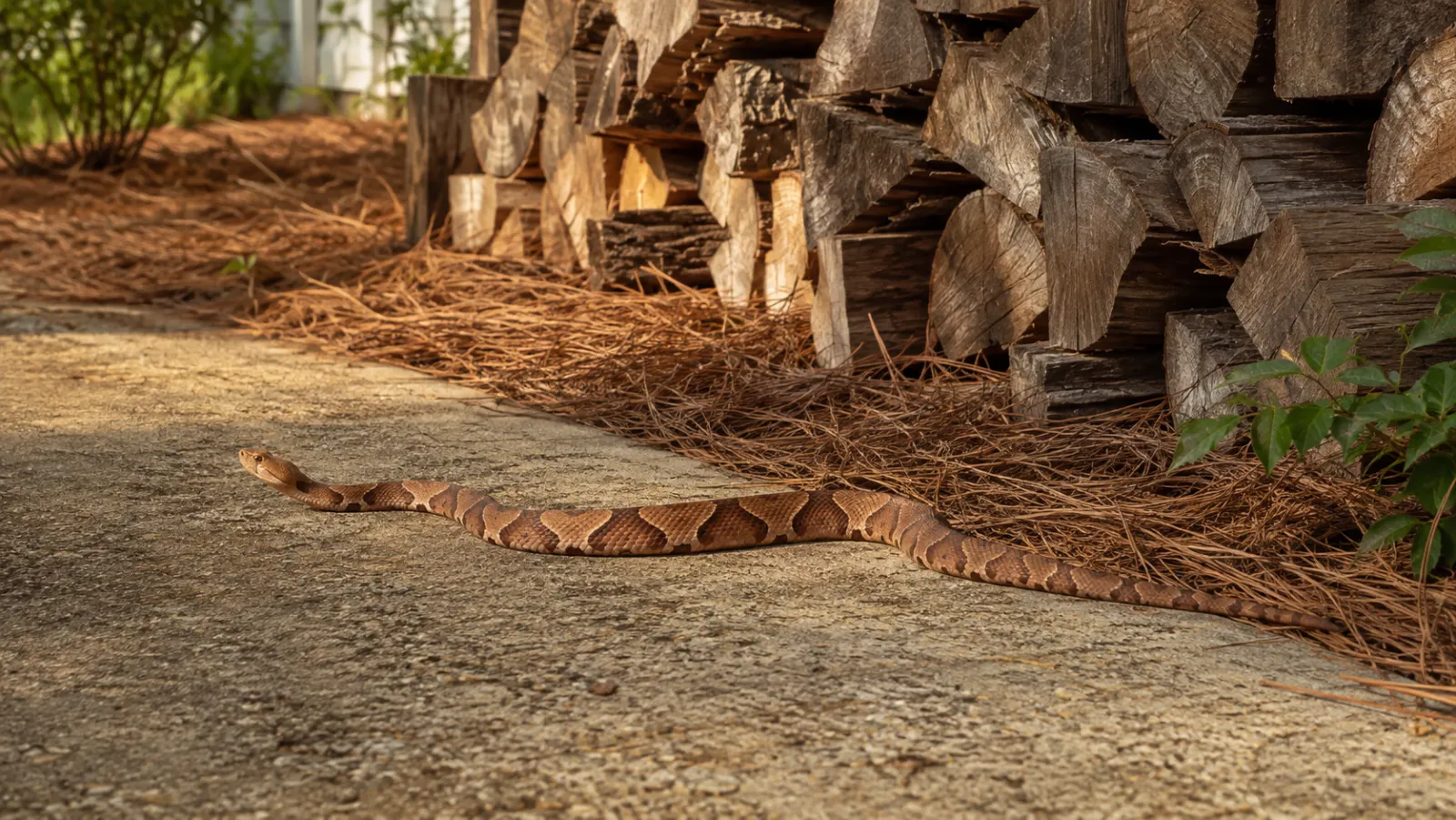
Most snake calls in Columbia are copperheads, the Midlands' most common venomous snake, and most bites happen to people who tried to deal with one themselves. This page tells you how to tell the six venomous species from the harmless ones, why the snake is there, what a permitted operator does, what it costs in 2026 and how to get a price on the call.
Venomous or not? Six species matter in the Midlands
South Carolina has 38 kinds of snakes and only six of them are venomous: the copperhead, the cottonmouth, the timber (canebrake) rattlesnake, the eastern diamondback, the pigmy rattlesnake and the eastern coral snake, according to SCDNR. Around Columbia, the one you will actually meet is the copperhead: SCDNR calls it the state's most common venomous snake, and Clemson's Home and Garden Information Center notes it accounts for most bites in the Carolinas. Look for the hourglass or Hershey's Kiss bands in copper and tan, a thick body and a head wider than the neck. Cottonmouths turn up near the rivers and ponds; rattlesnakes are far less common in the city.
The nonvenomous snakes you will see far more often, rat snakes, black racers, kingsnakes and garter snakes, are doing you a favor, eating the rodents that draw the copperheads in the first place. A kingsnake eats copperheads outright.
Do not try to identify a snake by getting closer. Take a photo with your phone from well outside striking range, keep kids and dogs inside, and describe the pattern on the call. Most bites in the Carolinas happen to people who tried to kill or move a snake.
Why the copperhead is on your patio
Snakes go where the food and cover are. In Columbia that is pine straw and mulch beds against the house, stacked firewood, a leaky hose bib, the gap under an air-conditioning pad, a crawl-space vent with a torn screen, and the mice that live in all of the above. They are most active from April through October, and in a Midlands summer they move at dusk and after dark to dodge the heat, which is exactly when you walk out to the grill barefoot. If one is lying in your yard right now and you are deciding what to do in the next ten minutes, the guide to a snake in the yard in Columbia, SC walks through the safe next steps and the signs it needs an operator.
What a permitted operator does on a snake call
Locate and remove
The operator identifies the snake, removes it with tongs and a secure container and, for a venomous species, handles it under the same SCDNR rules as any other nuisance animal: released on site in a safer spot or humanely euthanized, never relocated across town. For a snake that has gone into a wall, garage or crawl space, the search takes longer than the catch.
Find the reason
One snake is a visit. Several snakes, or a shed skin in the crawl space, means rodents and shelter, and the operator will point at them: the mulch bed touching the foundation, the woodpile, the open vent. Fixing those is what keeps the next copperhead in the woods.
Snake-proofing
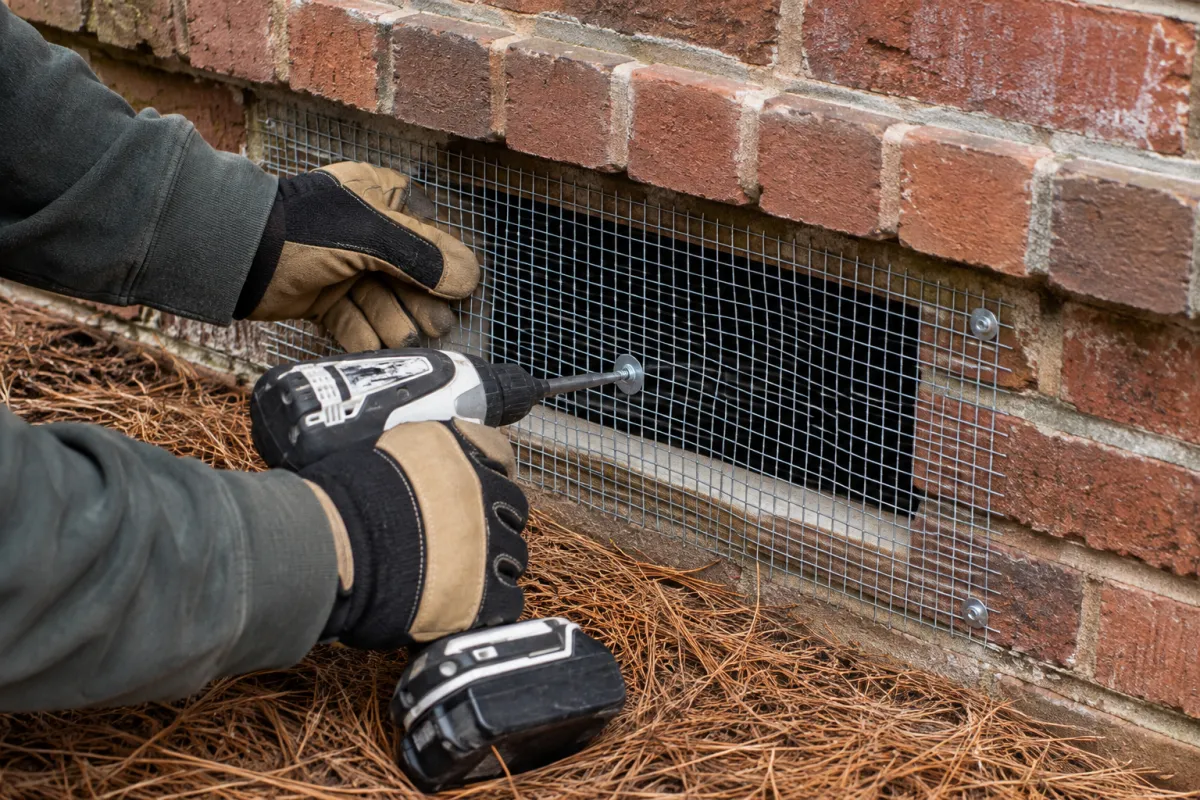
Quarter-inch hardware cloth on crawl-space vents, door sweeps on the garage, mulch pulled back from the foundation, woodpiles up off the ground and away from the house. Chemical "snake repellents" sold at hardware stores have no serious evidence behind them, and a permitted operator will tell you that rather than sell you a bag.
What snake removal costs in Columbia
| Job | Typical range | What moves the price |
|---|---|---|
| Single snake, visible, outdoors | $150 to $350 | Low end of wildlife pricing; after-hours calls cost more |
| Snake inside a wall, garage or crawl space | $250 to $600 | Search time; Angi's 2026 typical wildlife job is $191 to $576 |
| Vent screening and snake-proofing | Quoted separately | Number of vents and openings, materials |
Typical market ranges, informed by Angi's 2026 wildlife removal data, not a quote. Your price is set by the operator on the call.
How to get a Columbia snake removal quote
Call, say where the snake is right now and what it looks like (a photo helps if you managed one from a distance), and the operator tells you how fast they can get there and what it costs. Columbia Wildlife Removal is a free referral service; the operator is an independent, SCDNR-permitted business, and you are not obligated to book. If someone has been bitten, that is a 911 call first, and the snake can wait.
Snake removal in Columbia: questions we hear on the phone
How much does snake removal cost in Columbia, SC?
A single-snake call in the Columbia area usually lands at the low end of wildlife removal pricing, roughly $150 to $350, and Angi's 2026 data puts the typical wildlife removal job at $191 to $576. Crawl-space searches, nest removal or screening vents to keep snakes out cost more. The phone quote is free.
What is the most common venomous snake in Columbia, SC?
The copperhead. SCDNR calls it South Carolina's most common venomous snake, and Clemson's Home and Garden Information Center notes it is responsible for most snakebites in the Carolinas. It is a Midlands regular in pine straw, mulch beds, woodpiles and under air-conditioning pads. Of the state's 38 snake species, only six are venomous.
What months are snakes most active in South Carolina?
April through October, with the busiest stretches in late spring and again in early fall when temperatures are comfortable. In a Columbia summer they shift to dusk and night to avoid the heat, which is when most patio and garage encounters happen.
Should I kill a snake I find in my yard?
Most bites happen to people trying to kill or move a snake, so the answer for anything you cannot identify is no. Photograph it from a distance, keep pets and children inside, and call. Nonvenomous snakes are also useful: rat snakes and kingsnakes eat the rodents and, in the kingsnake's case, the copperheads you would rather not have.