Raccoon removal in Columbia, South Carolina
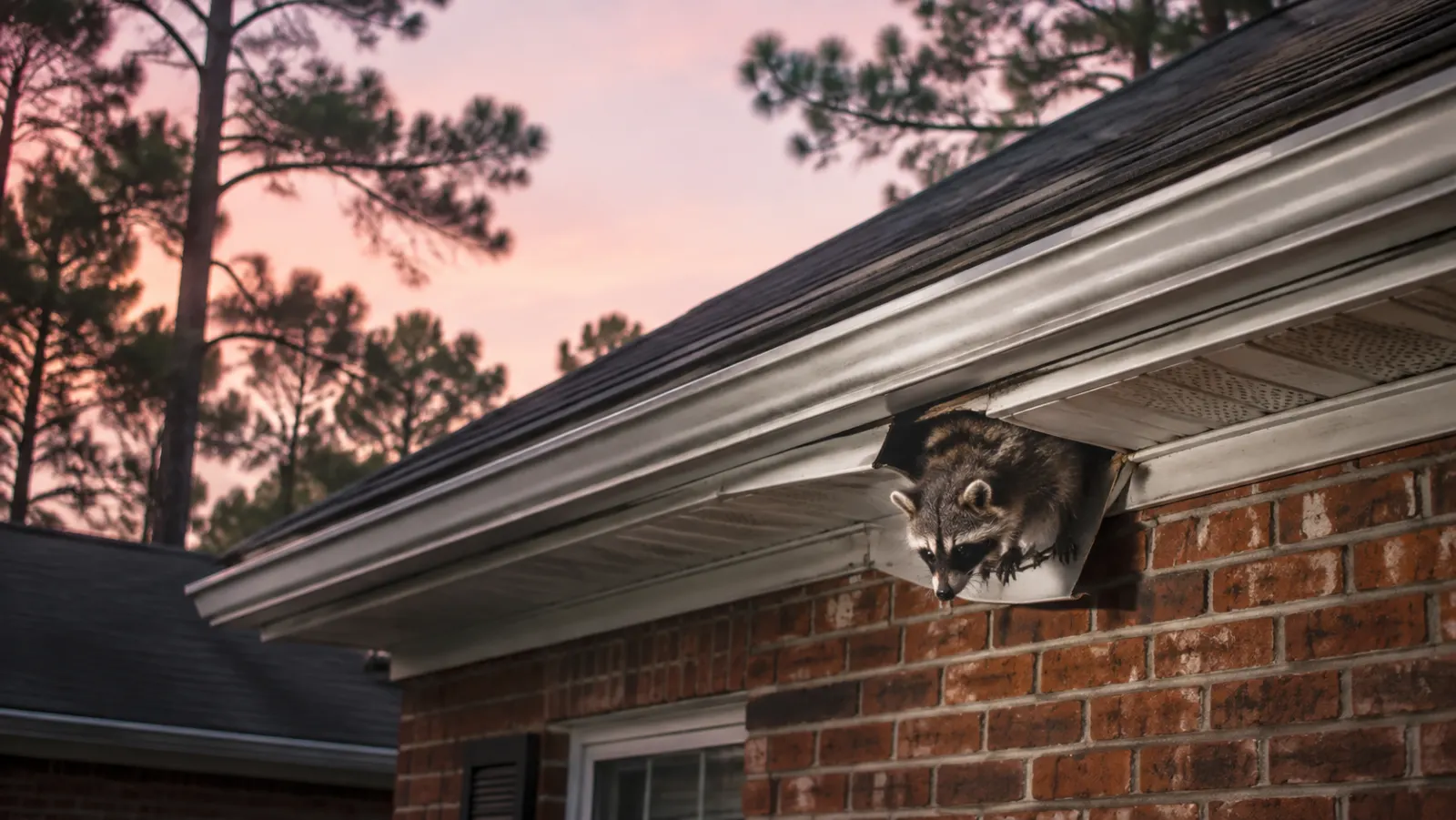
Heavy footsteps over the bedroom at 2 a.m. and a soffit panel bent outward are the two most common reasons Columbia homeowners call about raccoons. This page covers the signs, the rabies question, exactly what a permitted operator does, what it costs in 2026 and how to get a price on the call.
On this page
Is it a raccoon? What Columbia homeowners describe on the phone
Raccoons are the loud ones. An adult weighs 10 to 20 pounds, so what you hear after dark is not scratching, it is walking: slow, heavy, deliberate footsteps across the ceiling, usually starting an hour or two after sunset and again before dawn. Other tells that come up on nearly every Columbia call:
- A torn soffit panel or roof vent, bent outward, often at the corner where the gutter meets the fascia. Raccoons pull, they do not chew.
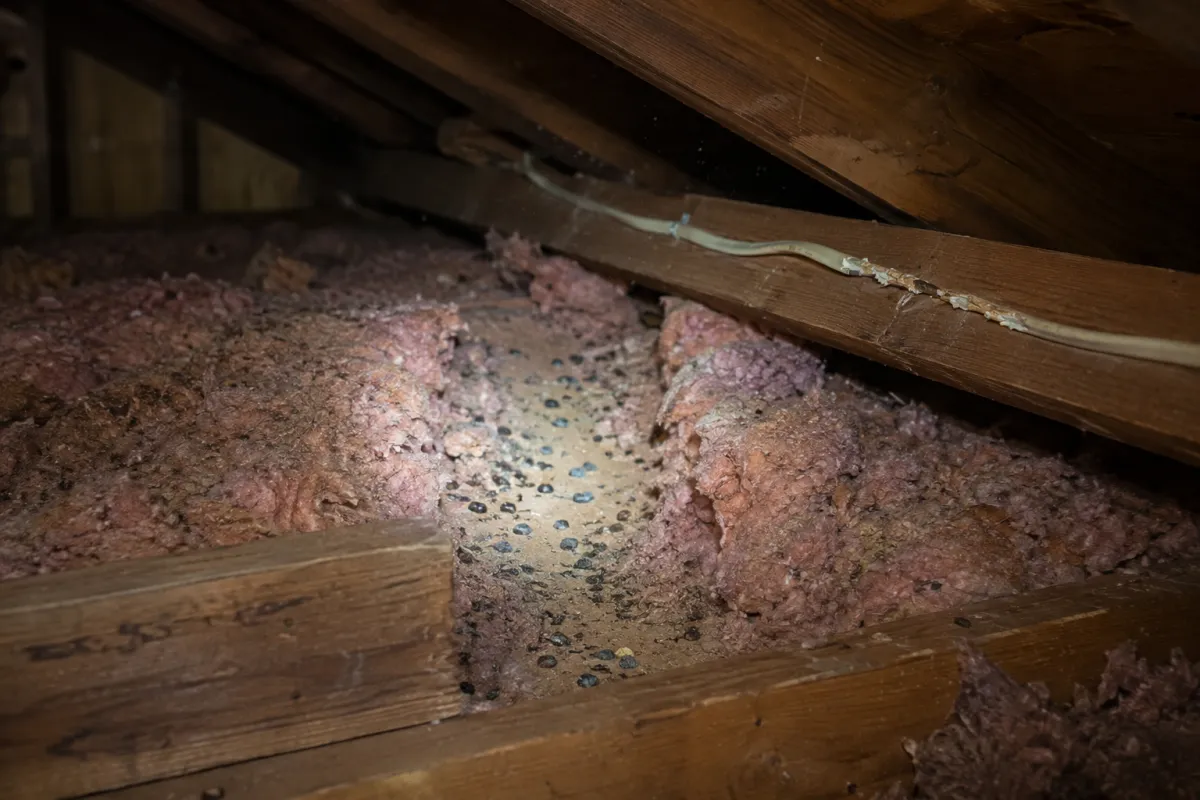
- A latrine: one spot in the insulation, on the roof or on a deck where the droppings pile up. They pick a bathroom and stick with it.
- Chittering or crying in spring. That is kits, and it changes how the job is done.
- Trash, bird feeders, koi ponds and pet food raided overnight, with the lid politely set aside.
Why raccoons pick Midlands attics
Columbia is raccoon heaven: old oaks that touch the roofline in Shandon and Forest Acres, creeks and storm drains threading every neighborhood, and attics that stay warm and dry through a wet winter. Females look for a den from late winter into spring to raise a litter, and a soffit gap behind a gutter is easier to open than a hollow tree. Once one raccoon has denned in an attic, the scent marks the house for the next. If you are hearing one up there tonight and want the homeowner's checklist before you call anyone, read raccoon in the attic: what to do first.
The rabies question, answered honestly
Raccoons are one of the main rabies carriers in this state. The South Carolina Department of Public Health confirmed 101 rabid animals across the state in 2025, and it names raccoons, skunks, foxes and bats as the wildlife most often involved. That does not mean the animal in your attic is sick, and most are not. It means nobody should corner one, handle one or let a dog "deal with it." If a person or pet has been bitten or scratched, call your doctor or vet the same day; South Carolina requires rabies vaccination for dogs, cats and ferrets for exactly this reason.
A raccoon out in daylight is not automatically rabid. Nursing mothers forage by day in spring. Stumbling, circling, drooling or approaching people is the pattern to worry about, and that is a call to the operator, not a job for a broom.
How a permitted operator removes raccoons
The job has four parts, and a quote that skips any of them is a quote for a repeat visit:
1. Inspection
The operator walks the roofline and the attic, finds the active entry (there is usually one main hole and a couple of "maybes"), checks the insulation for a latrine and, in spring, listens and looks for kits.
2. Trapping or eviction
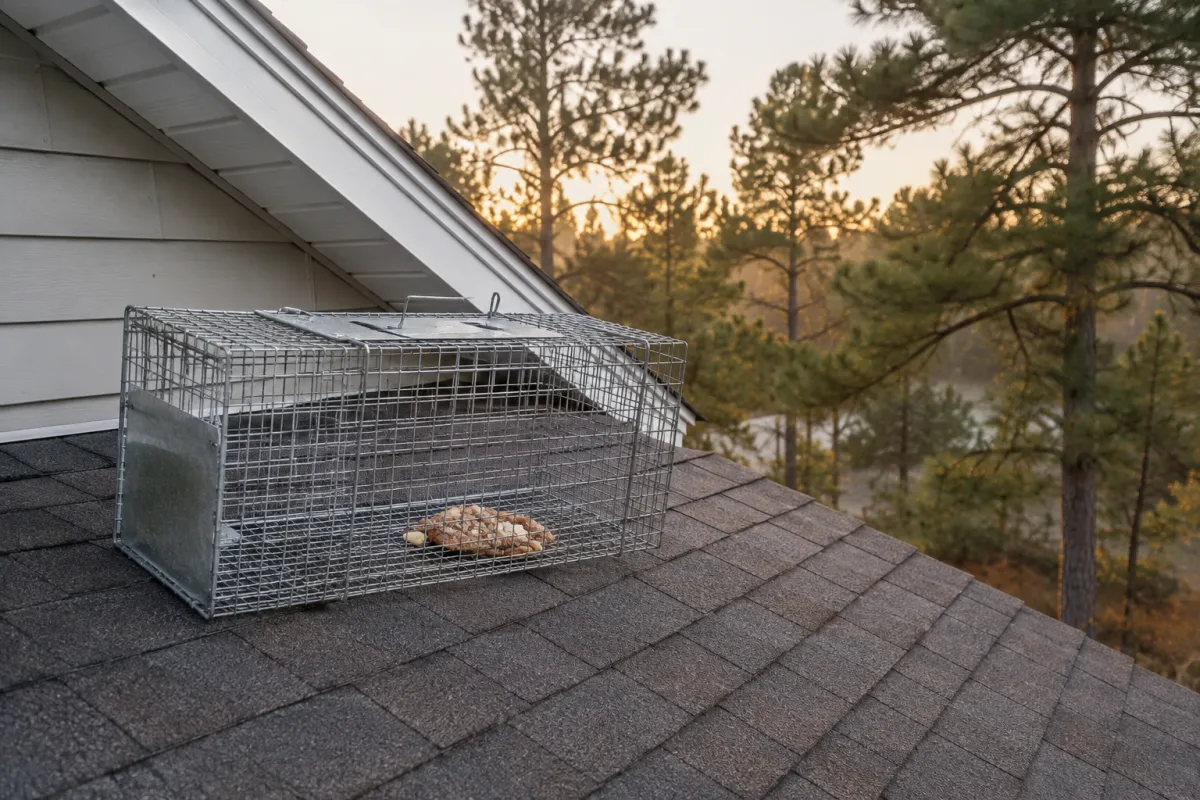
A cage trap goes at the entry point or on the roof path the raccoon uses, baited and checked daily as SCDNR requires of permitted operators. When kits are present, the operator removes them by hand and either reunites them with the mother outside or uses an eviction scent so she carries them out herself. South Carolina law does not allow relocation, so the animal is released on your property or humanely euthanized; a straight operator tells you that up front.
3. Exclusion repairs
Once the attic is empty, the entry gets closed with something a raccoon cannot pull apart: heavy-gauge hardware cloth, sheet metal, or a new vent cover screwed into framing. Secondary gaps get the same treatment. This is the part that keeps you from calling again next spring. Raccoons are rarely the only animal using those gaps, and the guide to the common attic entry points in Columbia shows which ones squirrels, rats and bats favor.
4. Cleanup
Raccoon latrines carry roundworm eggs, so a proper cleanup means removing soiled insulation, disinfecting and, when the damage is extensive, blowing in new insulation. Operators quote this separately, and it is worth asking about even when you plan to do it later.
What raccoon removal costs in Columbia
Raccoon jobs are priced after the inspection, because "one raccoon in the soffit" and "a family of five above the master bedroom" are not the same afternoon. As a guide, Angi's 2026 national figures are below; Columbia operators tend to land inside these ranges.
| Job | Typical range | What moves the price |
|---|---|---|
| Inspection | $100 to $300 | Often credited against the job if you book |
| Trap and remove one raccoon | $150 to $400+ | Angi average $400; more with multiple animals or a mother with kits |
| Attic removal with exclusion | $500 to $1,500 | Number of entry points, roof height, materials |
| Attic cleanup and reinsulation | Quoted separately | Size of the latrine, how much insulation is ruined |
Typical market ranges from Angi's 2026 cost data, not a quote. Your price is set by the operator after they see the entry point.
Raccoon jobs are also where cleanup costs climb fastest, and the guide to wildlife removal cost in Columbia, SC shows how removal, exclusion and repairs add up across every animal we cover.
How to get a Columbia raccoon quote
Call the number on this page, say where the noise is and what time it happens, and mention if you have heard crying or seen a raccoon on the roof in daylight. The operator gives you a price and the earliest window they can offer. Columbia Wildlife Removal is a free referral service; the operator is an independent business with its own SCDNR permit, and you can book or not, no obligation either way. If you are hearing kits, call sooner rather than later, because the family leaves on its own in a few weeks and the smell of the den stays.
Raccoon removal in Columbia: questions we hear on the phone
How much does raccoon removal cost in Columbia, SC?
Angi's 2026 data puts the average raccoon removal job at about $400, with a range of $150 to $1,900 depending on where the animal is and how many there are. Removal from an attic, including trapping and sealing, commonly runs $500 to $1,500. Your Columbia price is set by the operator after a look at the entry point, and the phone quote is free.
Can I trap a raccoon myself in South Carolina?
A homeowner does not need a depredation permit to capture a furbearer causing damage within 100 yards of the home, according to SCDNR. What you cannot do is relocate it: state law bars routine relocation of wildlife, so a raccoon you catch must be released on your property or euthanized. Add the rabies risk and the very real chance of a mother with kits in the attic, and most people decide the cage trap is not the bargain it looked like.
Will the raccoon come back after removal?
Only if the hole stays open. A raccoon that was trapped is gone, but the smell of its den will draw the next one straight to the same soffit within a season. Removal without exclusion repairs is half a job, which is why permitted operators quote the sealing work in the same visit.
What if there are baby raccoons in the attic?
In the Columbia area, kits are usually born in spring and stay in the den for several weeks before they can climb out. An operator checks for them before setting anything, removes kits by hand and uses them, or an eviction scent, to draw the mother out so the family leaves together. Sealing the entry with kits still inside creates a smell problem you will remember for years.